
A Homeowner’s Practical Guide: Comparing Nylon and Polyester Carpet Performance
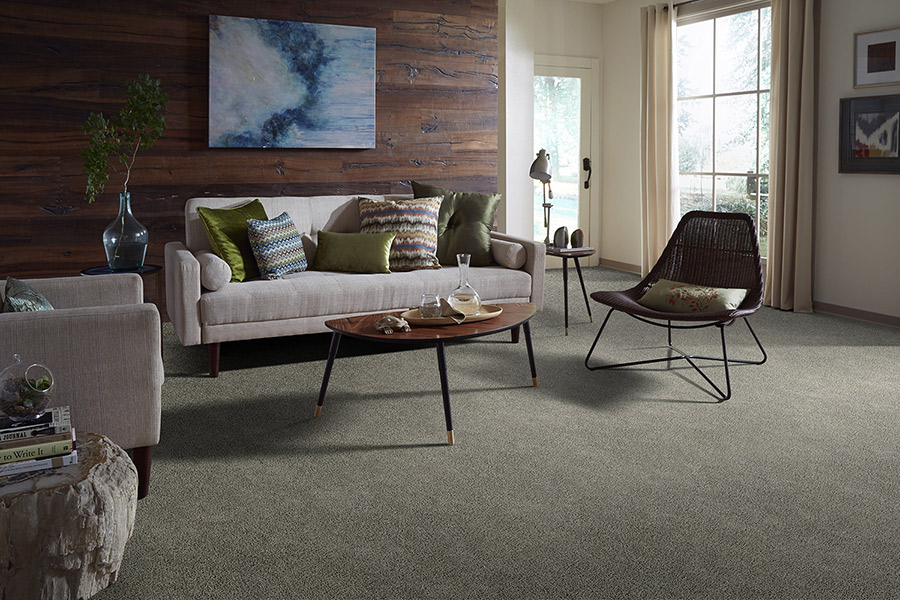
Selecting the right carpet for your home often feels like a balancing act between aesthetics and endurance. From the morning rush of feet heading toward the kitchen to the evening wind-down with pets and children in the living room, your carpet fibers are constantly being compressed, twisted and tested. Understanding the molecular science behind these fibers is the key to ensuring that the new carpet look lasts for years rather than months.
When you begin your research, you will inevitably encounter the two titans of the synthetic flooring world: nylon and polyester. While they may look nearly identical on a sample board, these two materials behave very differently under the pressures of a high-traffic home.
Why Fiber Chemistry Matters
The performance of a carpet is determined by how its polymers react to stress. When we talk about traffic, we are really talking about the repeated crushing of fibers. Every time someone steps on a carpet, the individual filaments bend. The science of a high-quality carpet lies in its resiliency, which is the fiber’s ability to spring back to its original shape after being compressed.
Nylon and polyester are engineered differently at a chemical level. Nylon is a hydrogen-bonded fiber, which gives it a unique memory that allows it to recover from heavy foot traffic and the weight of furniture. Polyester, while exceptionally talented at resisting stains due to its closed-cell structure, is naturally less resilient than nylon. Understanding this fundamental difference helps explain why one might be better suited for a formal dining room while the other excels in a busy hallway or a set of stairs.
Nylon: The Gold Standard for Resilience
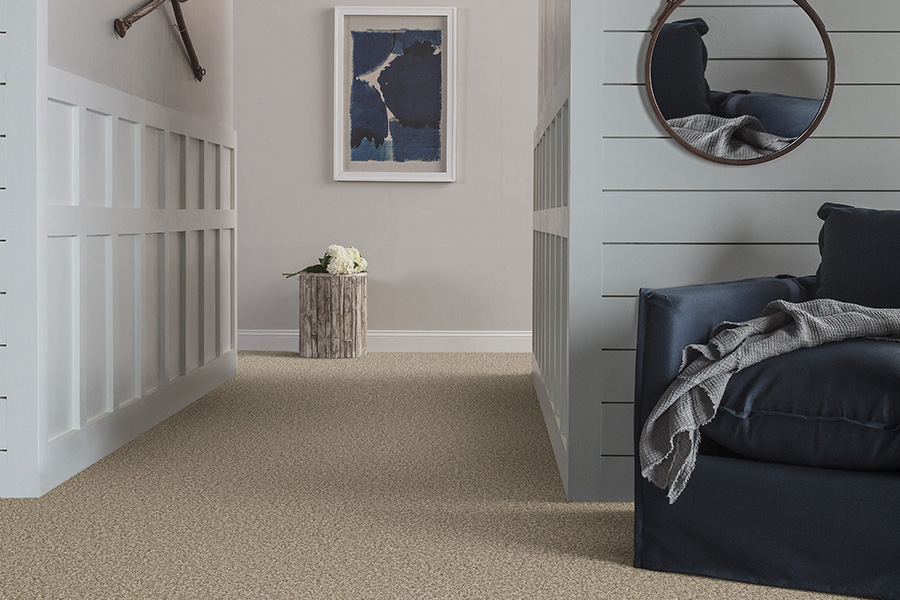
For decades, nylon has been the go-to recommendation for areas of the home that never seem to rest. The primary reason for its longevity is its incredible durability. Because nylon is so resilient, it is less likely to mat or crush over time. In high-traffic zones like hallways or entryways, where footsteps follow the exact same path every day, nylon maintains its upright structure far longer than other synthetic fibers.
Nylon is also highly versatile in terms of color and style. Because it is an absorbent fiber, it takes on dyes with incredible depth and vibrancy. This allows manufacturers to create intricate patterns and rich, saturated colors that stay true even after years of cleaning. If you are looking for a carpet that can withstand the friction of a bustling household while maintaining its architectural integrity, nylon remains the industry benchmark.
Why Nylon Excels in Busy Households
- Durability: It is the strongest of all synthetic fibers, making it the top choice for hallways, stairs and active living rooms.
- Texture Retention: Nylon holds its twist better than most materials, preventing the carpet from looking fuzzy after heavy use.
- Ease of Restoration: Because of its hydrogen bonding, professional steam cleaning can actually re-set the fibers, bringing the carpet back to life.
Polyester: The Champion of Stain Resistance and Softness
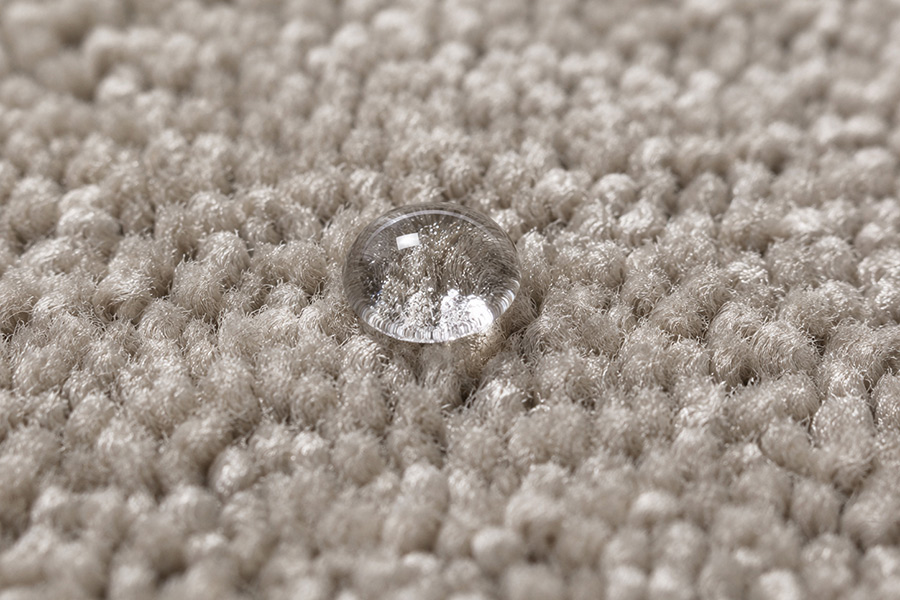
While nylon wins the trophy for resilience, polyester is often the preferred choice for homeowners who prioritize comfort and cleanability. Polyester is naturally hydrophobic, meaning it does not absorb moisture. Because the fiber itself is non-porous, liquid spills have a hard time penetrating the filament, making polyester exceptionally resistant to permanent staining. This makes it an ideal candidate for households with young children or pets prone to accidents.
Technological advancements have allowed for the creation of ‘PET’ (Polyethylene Terephthalate) polyester, which utilizes recycled materials like plastic bottles. This has resulted in a fiber that is remarkably soft. If you are carpeting a bedroom or a cozy den where the primary goal is a plush, luxurious feel underfoot and where foot traffic is relatively light compared to a main thoroughfare, polyester offers a high-end look and feel at a very approachable value.
The Benefits of Modern Polyester
- Inherent Stain Resistance: Since the color is added during the liquid stage of production, the spots are already full, leaving no room for stains to sink in.
- Ecological Impact: Many modern polyester carpets are crafted from recycled post-consumer plastics.
- Superior Softness: Polyester fibers can be manufactured in finer filaments than nylon, resulting in a silkier, more velvet-like texture.
Evaluating the Impact of Traffic Patterns
Before deciding between these two fibers, it is helpful to map out the traffic lanes of your home. Not every square foot of your flooring receives the same amount of wear.
For those high-impact areas, the resilience of nylon is almost always worth the investment. When a fiber loses its ability to stand up straight, it reflects light differently, creating those dull, walked-on paths that make a carpet look aged prematurely. By placing nylon in the busiest corridors and saving plush polyester for the master bedroom, you can strategically manage both your budget and the long-term beauty of your home.
Maintenance and Long-Term Performance
Regardless of the fiber you choose, the way you maintain your carpet will dictate its lifespan. However, the science of the fibers changes the maintenance story. Because nylon is more absorbent, it often comes treated with a topical stain resistance chemistry to help it shed spills. These treatments are highly effective but can benefit from professional steam cleaning every 12 to 18 months to re-set the hydrogen bonds and refresh the fiber’s memory.
Polyester’s stain resistance is built-in, meaning it won’t wear off over time. However, polyester does have an affinity for oil-based spills. While a glass of red wine might bead up on the surface, a dropped slice of pepperoni pizza requires a bit more specialized attention.
The Role of Twist and Density
While the fiber type is the most significant factor in performance, the way that fiber is constructed into a carpet also plays a role. You should look closely at the twist of the yarn. A higher twist level, where the individual strands are wound tighter together, acts like a spring, helping both nylon and polyester resist blooming and matting.
Density is the other half of the equation. A carpet with a high density has more fibers packed into every square inch. When fibers are crowded together, they support one another, making it much harder for footsteps to crush them down to the backing. When you combine a resilient fiber like nylon with a high twist and high density, you have a carpet engineered to withstand almost anything a modern family can throw at it.
Ultimately, the best carpet fiber is the one that solves your specific household challenges. Are you most concerned about the heavy traffic of a multi-generational home or is your primary focus creating a stain-proof environment for a growing family?
If you find yourself torn between the two, consider the long-term goals for your space. Nylon is a long-term fiber, designed to look great for a decade or more in high-use areas. Polyester is an immediate-reward fiber, offering incredible softness and stain protection that is perfect for many rooms in the house.
Finding Your Perfect Match
Choosing between nylon and polyester doesn’t have to be a clinical decision, but a little bit of scientific knowledge goes a long way in ensuring your satisfaction. When you can visualize how these fibers react to weight, moisture and wear, the samples on the one of our showrooms in Bakersfield and Fresno floor start to tell a much clearer story about their future in your home.
At Carpet Outlet Plus in Bakersfield, CA, we’ll help you explore your options and choose the right flooring for your home.